
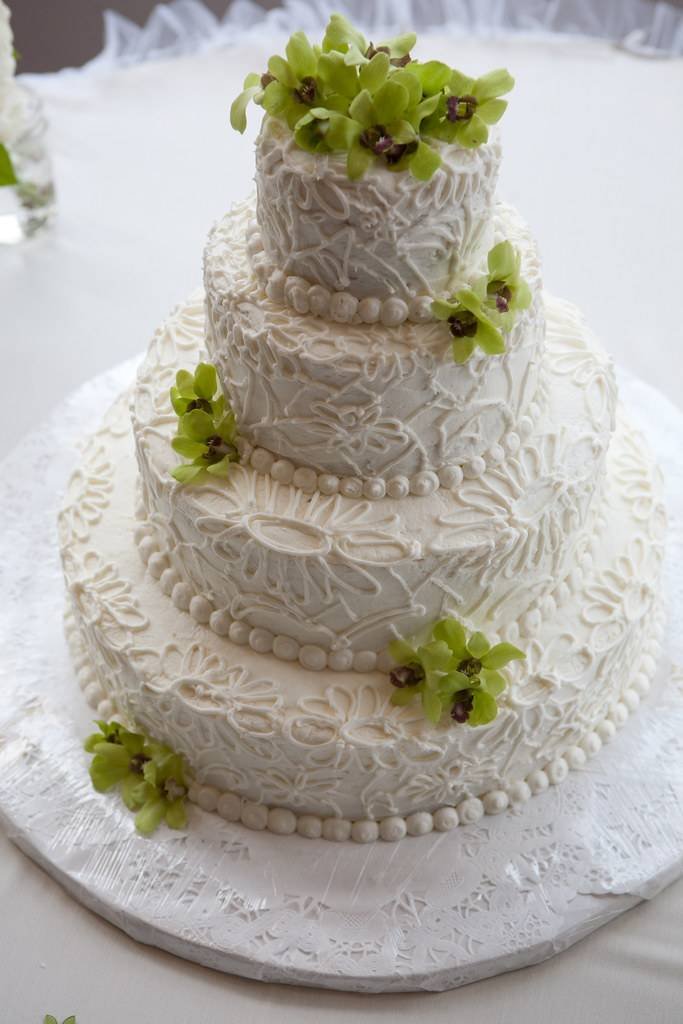
Buttercream melting in the heat is mostly a butter problem: butter starts to melt at around 32–35°C, which is normal afternoon weather across much of India and Malaysia. The fix is to choose a frosting with a firmer structure, such as ganache, a part-shortening buttercream or stabilised non-dairy cream, and to keep the cake cool until it is served.
Nothing ruins a party like a cake that slumps, slides or sweats before the candles are lit. Below are five frostings that cope better with hot climates, how each one behaves, and the transport tricks that keep your cake standing.
Quick summary
- American buttercream is butter plus icing sugar, so it softens fast once the room passes about 30°C.
- Dark chocolate ganache is the most reliable all-rounder: 1:1 chocolate to cream for frosting, 2:1 for a firm coat under fondant.
- Part-shortening buttercream and non-dairy whipping cream both hold better in heat than all-butter or plain dairy cream.
- No frosting is heat-proof. Chill the cake, transport it in AC and keep it out of the sun.
Why American buttercream melts in hot weather
American buttercream is the simple kind: butter beaten with icing sugar and a splash of milk. Its whole structure is the butter. Butter is a mix of fats that melt at different points, and it becomes very soft at normal room temperature and largely melts at around 32–35°C. That is close to body temperature, which is why butter melts so nicely in your mouth, and also why it fails on a hot day.
As it warms, the frosting loses its shape. Piped details droop, smooth sides bulge, and layers can start to slide. Humidity adds to the trouble because sugar draws moisture, making the surface sticky.
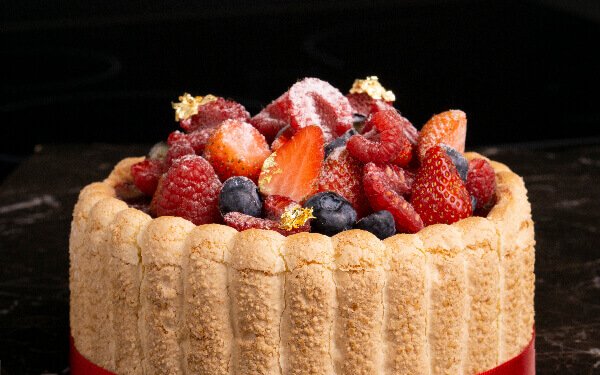
Buttercream melting? Try these 5 heat-stable frostings
1. Swiss or Italian meringue buttercream
These are made by whipping butter into a cooked meringue. Swiss meringue heats egg whites and sugar together over a water bath. Italian meringue pours hot sugar syrup into whipping whites. Both are silky and much less sweet than American buttercream.
Be honest with yourself here: they are still mostly butter, so they will soften in serious heat too. Their advantage is a smoother, more stable texture that holds piping a little better and does not crust or turn gritty. Italian is usually a touch firmer because of the cooked syrup. They work best for cakes that stay in an air-conditioned room.
Eggless option: aquafaba, the liquid from cooked or canned chickpeas, whips into a meringue that can be used for a similar buttercream. It is a little less stable than egg-white meringue, so keep it cool. For more egg-free ideas, see our eggless cakes guide.
2. Chocolate ganache
Ganache is chocolate melted with hot cream. Once it sets, the cocoa butter in the chocolate gives it a firm structure that copes with warmth far better than buttercream. Ratios are by weight:
- 1:1 dark chocolate to cream: a soft, spreadable frosting once it cools to a peanut-butter texture. Also good for whipping.
- 2:1 dark chocolate to cream: a firm ganache for sharp edges and for coating cakes under fondant.
Milk and white chocolate are softer, so they need more chocolate for the same firmness. Around 3:1 is a common starting point for a firm white chocolate ganache.
3. Part-shortening buttercream
Swapping some of the butter for vegetable shortening is a long-standing trick in hot climates. Shortening has a higher melting point than butter, so the frosting holds its shape longer. A half-butter, half-shortening mix is a popular balance between flavour and stability.
The trade-off is taste and mouthfeel. More shortening means less buttery flavour and a slightly waxy finish, so add good vanilla and a pinch of salt.
4. Stabilised whipped cream
Plain dairy whipped cream weeps and collapses quickly in heat. You can stabilise it with a little bloomed gelatin or by whipping in mascarpone.
Non-dairy whipping cream, the vegetable-fat cream used by many Indian bakeries, holds its shape noticeably better in warm weather than dairy cream. It is also naturally egg-free. It must still be kept chilled and served soon after it leaves the fridge.
5. Fondant over ganache
For wedding cakes, tall cakes and anything that must sit out for a while, many decorators cover the cake in firm 2:1 ganache, chill it, then cover it in fondant. The ganache gives a solid shell with sharp edges, and the fondant seals it. Fondant can get sticky in humid air, so avoid long stays in the fridge, which cause condensation when the cake comes out.
Chef’s tip: Whatever frosting you choose, the cake underneath matters. A cold, firm cake with a thin crumb coat that has set in the fridge holds frosting far better than a soft cake that went straight from cooling rack to final coat.
Heat-stable frostings compared
| Frosting | Heat stability | Taste and texture | Eggless-friendly? |
|---|---|---|---|
| American buttercream | Low | Very sweet, buttery | Yes |
| Swiss or Italian meringue buttercream | Low to medium | Silky, less sweet | Only with aquafaba |
| Dark chocolate ganache | High (when firm) | Rich, chocolatey | Yes |
| Part-shortening buttercream | Medium to high | Sweet, less buttery | Yes |
| Stabilised non-dairy whipped cream | Medium (kept cool) | Light, airy | Yes |
| Fondant over ganache | High | Sweet shell, rich inside | Yes |
How to rescue buttercream that has gone soft
If your buttercream turns soupy while you are still decorating, do not throw it away. It is usually just too warm, and the fix is simple.
- Chill and re-whip. Put the whole bowl in the fridge for about 10 to 15 minutes, then beat it again until it turns smooth and fluffy. Repeat if needed.
- Chill the cake between steps. Crumb coat, chill until firm, then add the final coat. Chill again before piping details.
- Keep your hands off. Warm hands melt piping bags of buttercream quickly. Fill bags only halfway and swap them often.
- If Swiss meringue buttercream looks curdled, it is usually too cold, not too warm. Keep beating, or warm the side of the bowl gently for a few seconds, and it will come back together.
Transport and storage tips for hot days
- Chill before you travel. A well-chilled cake has a cold core that keeps the frosting firm for longer.
- Cool the car first. Run the AC before loading the cake, and place it flat on the floor or a level seat, never on a sloping seat or in the boot.
- Use a sturdy box and a non-slip mat. A cake board slightly bigger than the cake and a rubber mat underneath stop sliding.
- Dowel tall cakes. Stacked cakes need supports in each tier so the weight does not sink into the layer below.
- Keep it out of the sun. Even a few minutes in direct sunlight can melt a buttercream finish.
- Watch the timing. Plan for the cake to be out of the fridge for as short a time as possible before serving. Fresh cream cakes in particular should not sit out for long in hot weather.
Learn to decorate for hot climates
Picking the right frosting is half the job. The other half is technique: crumb coating, chilling, getting sharp edges with ganache and covering cleanly with fondant. The APCA Chef Online Cake Design & Fondant course takes you through these steps with chef guidance. If you are still choosing how to learn, our online baking course guide can help.
Frequently asked questions
Why does my buttercream melt?
What is the most heat-stable frosting?
What is the ganache ratio for frosting a cake?
Is Swiss meringue buttercream good for hot weather?
Does non-dairy whipping cream hold up better in heat?
How do I transport a buttercream cake in summer?
Cakes that hold their shape, even in summer
Learn ganache, crumb coating and fondant finishing step by step with APCA chefs.
Explore Cake Design & FondantRead next
- Eggless Cakes
- Tarts and Torte
- Online Baking Course: What Actually Determines Whether You Learn Anything
Get new baking guides in your inbox
Trending recipes, chef techniques and course offers — free, no spam.
Subscribe free