
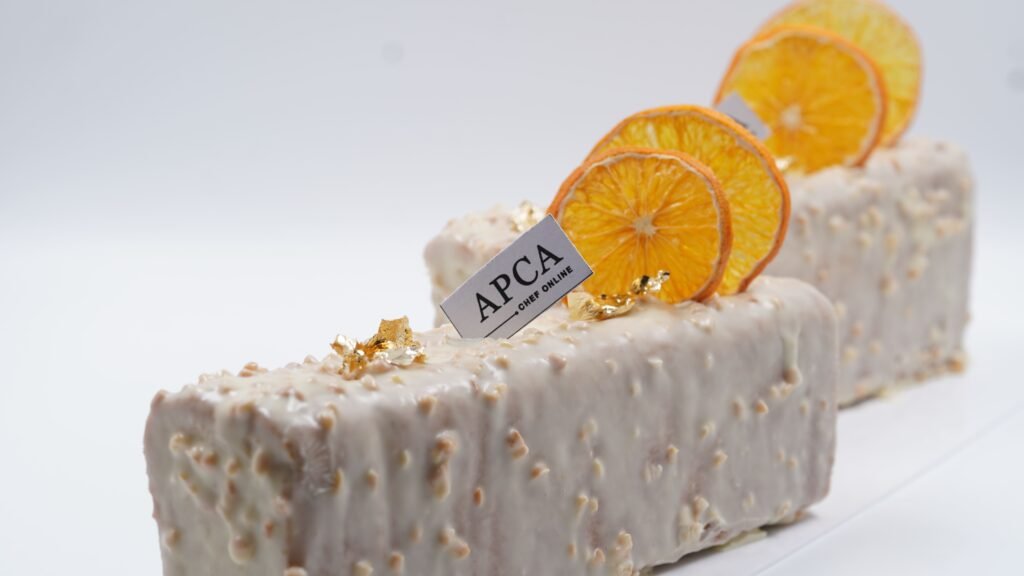
Most plain homemade cakes last about 2 to 3 days at room temperature in an airtight box and around a week in the fridge, while fresh cream cakes are best eaten within 1 to 2 days. Your homemade cake shelf life depends mostly on the frosting, the filling, how you store it and how hot and humid your kitchen is. This guide gives you a simple table, freezing tips, signs of spoilage and natural ways to keep cakes fresh for longer.
Quick summary
- Plain and travel cakes last longest. Cream and fruit-topped cakes spoil fastest.
- Anything with fresh cream, cream cheese or custard belongs in the fridge.
- Heat and humidity, like Indian summers and the monsoon, shorten every time in this guide.
- When in doubt, throw it out.
Why homemade cakes spoil faster
Shop cakes often use preservatives and special packaging that slow down mould and staling. Homemade cakes usually do not. Two things happen to a cake over time:
- Staling: the cake dries out and turns crumbly. This is about quality, not safety.
- Spoilage: mould, yeast or bacteria grow, especially in moist fillings and dairy toppings. This is about safety.
Moisture, warmth and dairy speed up spoilage. That is why a dry pound cake keeps much better than a fresh fruit gateau.
Homemade cake shelf life: a general guide
These are approximate times for well-made, properly cooled and stored cakes. Real shelf life depends on your recipe, your climate and how the cake is handled. In a hot or humid room, go for the shorter end or use the fridge.
| Bake | Room temperature | Fridge |
|---|---|---|
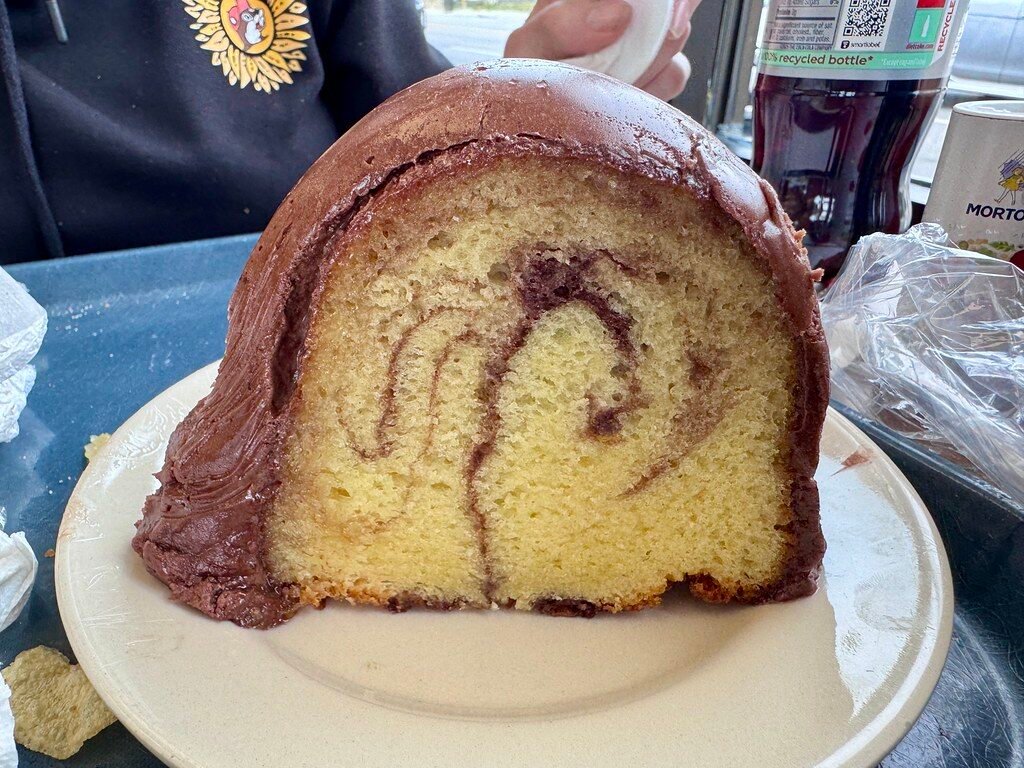
| Plain or travel cake (pound, marble, loaf), airtight | 2 to 3 days | About 1 week |
| Buttercream cake | 1 to 2 days in a cool room | 3 to 4 days |
| Fresh cream or whipped cream cake | Not recommended; keep chilled | 1 to 2 days |
| Cheesecake | Not recommended; keep chilled | 3 to 5 days |
| Fresh fruit-topped cake | Not recommended in warm weather | Usually 1 to 2 days; shorter than the base cake |
| Cookies, airtight | 1 to 2 weeks | Not usually needed |
| Homemade bread | 2 to 3 days | Not ideal; it stales faster in the fridge |
How hot and humid weather changes things
Most food safety advice is written for cooler countries. In much of India and Malaysia, kitchens are warmer and more humid for much of the year. Warmth helps mould and bacteria grow faster, and humidity makes cakes and cookies go soft and sticky.
- In hot weather, refrigerate buttercream cakes rather than leaving them out.
- During the monsoon, store cookies in truly airtight jars, and check plain cakes daily for mould.
- Never leave cream, cheesecake or custard-filled cakes in a warm room for long. A common food-safety guide is no more than about 2 hours out of the fridge, and less in very hot weather.
How to store cake in the fridge the right way
The fridge keeps cream cakes safe, but it can also dry cake out and make it taste of last night’s dinner. A few simple habits help:
- Chill before covering. Put a frosted cake in the fridge uncovered for 15 to 20 minutes so the frosting firms up, then cover it. The wrap will not stick to the design.
- Use a box or container. Cake soaks up strong smells like onion, garlic and curry, so keep it closed.
- Keep it away from the fridge door. The door is the warmest part of the fridge and changes temperature every time it opens.
- Serve at the right temperature. Buttercream and plain cakes taste better if you take them out a little before serving. Fresh cream cakes and cheesecakes should stay cold until just before you cut them.
How to freeze cakes
Freezing is the best way to keep cake for longer. Plain sponge layers and travel cakes freeze very well.
- Cool the cake completely.
- Wrap it tightly in cling film, then a layer of foil or a freezer bag, to stop freezer burn and smells.
- Label it with the name and date.
- For best quality, use within about 2 to 3 months.
- Thaw in the fridge or at cool room temperature while still wrapped, so condensation forms on the wrap, not the cake.
Buttercream cakes can be frozen too. Fresh cream and fresh fruit toppings do not freeze or thaw well, so add them after thawing.
Chef’s tip: Bake sponges a day or two ahead, wrap and freeze them, then frost them while they are still cold. Chilled layers are firmer, give fewer crumbs and are much easier to stack neatly.
Signs your cake has gone bad
- Any mould: fuzzy spots of white, green, blue or black
- A sour, fermented or “off” smell
- Cream that has separated, gone watery or tastes sour
- Slimy or sticky texture, especially on fruit or fillings
- Fruit that is leaking, fizzy or fermented
Do not just scrape off mould on a soft cake. Mould can spread below the surface where you cannot see it. Throw the whole cake away.
Natural ways to make cakes last longer
- Cool properly. Let cakes cool fully before wrapping. Trapped steam creates moisture, and moisture invites mould.
- Soak with sugar syrup. A light brush of simple syrup keeps sponge moist so it stays nice to eat for longer. It improves texture rather than making cream or fruit toppings last longer.
- Store airtight. Use a cake box, container or cake dome. Air dries cake out and carries smells.
- Keep the cold chain. For cream cakes, go from fridge to box to customer with as little warm time as possible.
- Use clean tools and hands. Clean bowls, piping bags and boards reduce the germs you add.
- Cut what you need. Press cling film against the cut side of a cake to stop it drying out.
Labelling cakes for customers
If you sell cakes, a small label or card helps your customers and protects you. Include:
- Date made
- Storage advice, for example “Keep refrigerated”
- A “best eaten within” time
- Main allergens, such as milk, eggs, wheat (gluten), nuts and soy
- Veg or non-veg, and eggless if it applies
If you sell food in India, labelling and registration rules apply under FSSAI. These can change, so check the official site at foscos.fssai.gov.in for current requirements.
When in doubt, throw it out
The times in this guide are general. If a cake has been left in the heat, smells strange, or you simply are not sure, do not eat it and do not serve it. Take extra care when serving young children, older people, pregnant women and anyone who is unwell.
Travel cakes are a great place to start if you want bakes that keep well. Our Pastry Program teaches cakes, storage and finishing with chef guidance, and our page on eggless cakes covers egg-free bakes too.
Frequently asked questions
How long does a homemade cake last without a fridge?
How long does a fresh cream cake last in the fridge?
Can I leave a buttercream cake out overnight?
How long can I freeze a homemade cake?
Is it safe to eat cake if I cut off the mouldy part?
How can I make homemade cakes last longer without preservatives?
Bake cakes that taste great and keep well
Learn travel cakes, sponges and finishing skills in chef-led online lessons.
Explore the Pastry ProgramRead next
- Eggless Cakes
- Sourdough Culture
- Online Baking Course: What Actually Determines Whether You Learn Anything
Get new baking guides in your inbox
Trending recipes, chef techniques and course offers — free, no spam.
Subscribe free