
All About Seafood: Online Seafood Cooking Course
Learn 14 global seafood recipes online with APCA – from deshelling lobster and shucking oysters to filleting flat and round fish. Self-paced video lessons, 6 months of access.
What Is the All About Seafood Course?
All About Seafood is a self-paced online course that teaches 14 global seafood recipes and techniques, from deshelling a lobster to filleting flat and round fish. It is designed for home cooks, culinary students, food enthusiasts and working professionals.
Every lesson is pre-recorded, so you can rewatch any technique as many times as you need during your 6-month access window.
Why Learn Seafood Cooking Online With APCA?
- 14 real, restaurant-style seafood recipes - not just theory
- Hands-on techniques: deshelling lobster, shucking oysters, filleting flat and round fish
- Global flavors: French, Indian and Thai-inspired dishes in one course
- Self-paced video lessons you can rewatch anytime for 6 months
- Beginner-friendly: no prior culinary training required
What You Will Cook - 14 Seafood Recipes
From oysters and lobster to sea bass and salmon, here is a closer look at each dish: what it tastes like and why seafood lovers keep coming back to it.
Baked Mussel White Wine Cream Sauce
Plump mussels baked in a sauce of white wine, garlic, shallots and cream. The wine adds a bright, gentle acidity that cuts through the richness, while the mussels release their own sweet, briny juices into the sauce. Seafood lovers enjoy it with crusty bread for mopping up every last drop, a ritual as satisfying as the mussels themselves.
Deshelling of Lobster
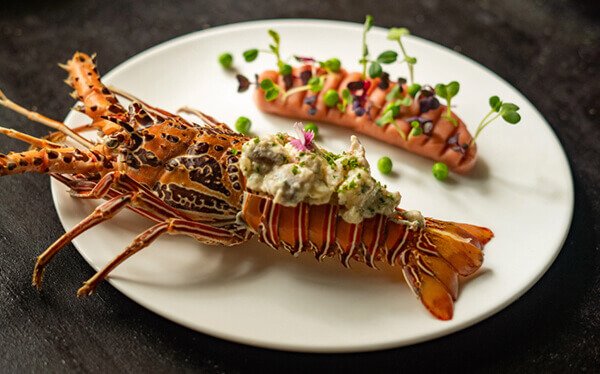
Lobster meat is sweet, firm and delicately briny, but getting it out of the shell cleanly is a skill in itself. Knowing how to crack the claws, split the tail and pull the meat out in whole pieces means nothing goes to waste. For lobster fans, it is the first step to every great lobster dish, from rolls and bisques to grilled tails.
Freshly Shucked Oysters
A fresh oyster tastes like a sip of the sea: cold, salty and clean, with a creamy or slightly metallic finish depending on where it was grown. Oysters are usually served raw on ice with lemon, a mignonette of vinegar and shallot, or a dash of hot sauce. Oyster lovers prize them for their freshness and enjoy comparing the flavours of different regions.
Grilled Prawn with Chimichurri Sauce
Prawns pick up a smoky char on the grill while staying juicy and sweet inside. Chimichurri, the Argentinian sauce of parsley, garlic, oregano, vinegar and olive oil, brings a sharp, herby freshness that wakes up the whole plate. It is a favourite at barbecues because it is quick to cook and full of bold, summery flavour.
Indian Currified Seafood Salad with Fresh Mint
Mixed seafood tossed with warm Indian spices such as cumin, turmeric and chilli, then brightened with fresh mint and a squeeze of lime. The result is light yet full of flavour, with gentle heat balanced by cool, fragrant herbs. It appeals to anyone who loves the punch of Indian spices but wants something fresher than a heavy curry.
Lobster Thermidor
A classic of French fine dining: cooked lobster meat folded into a rich sauce of cream, egg yolk, mustard and brandy, spooned back into the shell, topped with cheese and browned under the grill. It is indulgent, golden and creamy, with the sweetness of lobster shining through. For many seafood lovers, it is the ultimate special-occasion dish.
Oyster Rockefeller
Created in New Orleans in the late 1800s, Oysters Rockefeller are baked on the half shell under a green topping of butter, herbs and breadcrumbs. The buttery, herby crust turns golden and crisp while the oyster underneath stays tender and briny. It is a good way in for people who are not yet sure about raw oysters.
Salmon Gravlax Salad with Thai Lemongrass Vinaigrette
Gravlax is a Nordic way of curing raw salmon with salt, sugar and dill until it turns silky and lightly sweet. Paired here with a Thai-style dressing of lemongrass, lime and chilli, it brings Scandinavian and Southeast Asian flavours together on one plate. Salmon fans love the buttery texture against the zesty, fragrant vinaigrette.
Filleting Technique - Flat Fish
Flat fish such as sole, plaice and turbot have their eyes on one side and four fillets instead of two. Filleting them neatly gives you thin, delicate pieces of mild, sweet white fish with no bones. Cooks who love fish value this skill because buying whole fish is often fresher and better value than buying fillets.
Filleting Technique - Round Fish
Round fish such as salmon, sea bass, trout and mackerel are filleted into two thick sides along the backbone. Doing it well means clean, boneless fillets with very little flesh left behind. It is one of the most useful skills in seafood cooking, because it opens up everything from pan-frying and baking to curing and raw dishes.
Pan-Fried Seabass Fillet with Beurre Noisette
Sea bass has mild, slightly sweet white flesh and a skin that turns beautifully crisp in a hot pan. Beurre noisette, or brown butter, is butter cooked until it smells nutty and turns golden, often finished with lemon and capers. Crisp skin, flaky fish and a nutty butter sauce make this a restaurant-style plate that fish lovers return to again and again.
Poached Salmon With Cucumber Sauce
Gently poaching salmon keeps it moist, tender and pale pink all the way through. A cool cucumber sauce, often made with yoghurt or sour cream, dill and lemon, adds a light, refreshing contrast to the rich fish. It is a classic summer and buffet dish, loved for being elegant, light and served warm or chilled.
Sole En Papillote
En papillote means cooking in a sealed paper parcel, so the sole steams in its own juices with herbs, vegetables, lemon and a splash of wine. The parcel is opened at the table, releasing a fragrant puff of steam. Fish lovers enjoy it because the flavour stays clean and delicate, and the fish comes out perfectly moist with very little fat.
Who This Seafood Course Is For
- Home cooks who want to confidently cook seafood at home
- Culinary students building their savory skill set
- Working professionals who want a flexible, self-paced course
- Seafood lovers who want to recreate restaurant dishes like Lobster Thermidor and Oyster Rockefeller
Frequently Asked Questions
Explore More Short Courses
Ready to Master Seafood Cooking?
14 recipes. 6 months of access. Learn at your own pace.