
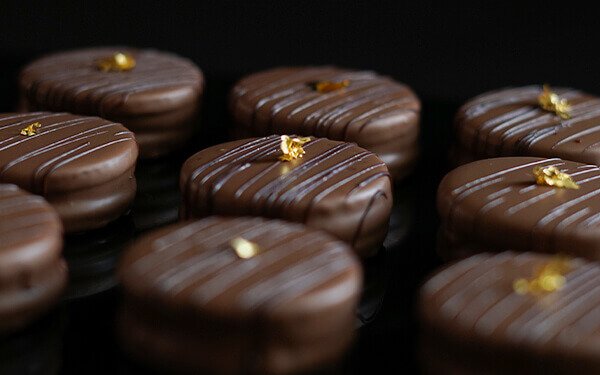
Yes, you can manage tempering chocolate in a 30°C kitchen, but not by fighting the heat head-on. Melt, cool and rewarm the chocolate to the right temperatures, then work in an air-conditioned room, in small batches, and give your moulds a short chill in the fridge so the chocolate sets with a shine and a snap.
If you have ever made bonbons that came out dull, streaky or soft in the middle of an Indian or Malaysian summer, this guide is for you. We will keep it simple: what tempering is, the temperatures to use, two easy methods, and the fixes that matter in a hot room.
Quick summary
- Tempering lines up cocoa butter crystals into the stable form, called form V, which gives shine and snap.
- Dark chocolate: melt 45–50°C, cool 27–28°C, work at 31–32°C. Always check your couverture label first.
- The seeding method is the easiest way to temper at home. Test on a strip of paper before you fill moulds.
- In a hot kitchen: work in AC, temper small batches, chill moulds briefly in the fridge (never the freezer), and keep every drop of water away.
What tempering chocolate actually means
Real chocolate, often sold as couverture, gets its texture from cocoa butter. Cocoa butter is a fat that can set into six different crystal shapes, which chocolate makers number from I to VI. Only one of them, form V, gives you what you want: a glossy surface, a clean snap when you break it, and chocolate that shrinks slightly as it sets, so it releases easily from moulds.
Tempering is simply controlling temperature so that form V crystals win. You melt the chocolate to erase all old crystals, cool it so new crystals start forming, then warm it slightly to melt the unstable ones and keep only form V.
Untempered chocolate sets soft, dull and often streaky grey. It also melts on your fingers almost immediately and sticks to moulds.
Tempering temperatures for dark, milk and white chocolate
These are the standard curves most pastry kitchens use. Brands differ slightly, so always follow the temperatures printed on your couverture pack if they are given.
| Chocolate | Melt to | Cool to | Working temperature |
|---|---|---|---|
| Dark | 45–50°C | 27–28°C | 31–32°C |
| Milk | 40–45°C | 26–27°C | 29–30°C |
| White | 40°C | 25–26°C | 28–29°C |
Milk and white chocolate contain milk solids, which scorch easily, so they are melted to lower temperatures. Use a digital probe thermometer. An infrared thermometer is handy too, but it only reads the surface, so stir well before you trust it.
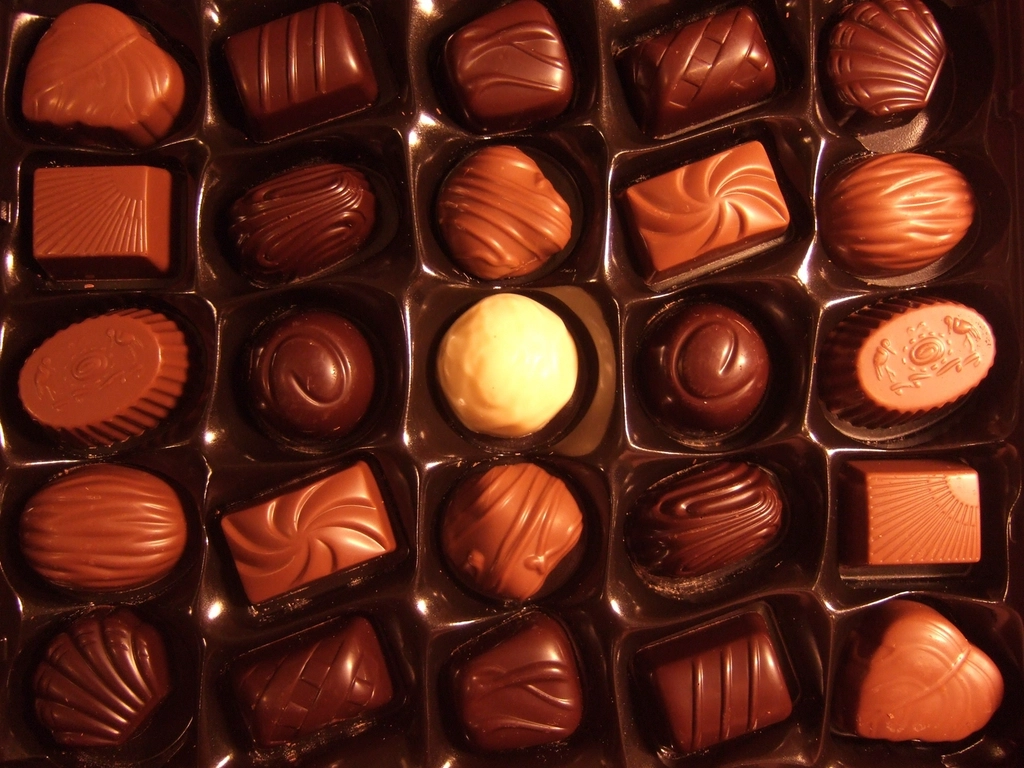
Two simple ways to temper at home
The seeding method (easiest)
“Seeding” means adding already-tempered chocolate to melted chocolate. The solid pieces carry form V crystals and teach the rest of the chocolate how to set.
- Weigh your chocolate. Set aside about a quarter to a third of it as seed, in small callets or finely chopped pieces.
- Melt the rest gently to the melting temperature in the table, using a microwave in short 20 to 30 second bursts with stirring in between, or a bowl over barely simmering water.
- Add the seed chocolate and stir constantly. It melts as it cools the whole bowl down.
- Keep stirring until you reach the working temperature. If a few pieces have not melted, lift them out.
- Test before using (see below).
The tabling method (classic)
Melt the chocolate fully. Pour about two thirds onto a clean, dry marble or granite slab. Spread and gather it with a palette knife and scraper until it thickens and cools to the “cool to” temperature. Scrape it back into the remaining warm chocolate and stir until it reaches the working temperature. Tabling is fast and satisfying, but in a 30°C room a slab takes longer to cool chocolate, so seeding is usually more reliable at home.
How to test your temper
Dip the tip of a knife or a strip of baking paper into the chocolate and leave it in a cool spot. Well-tempered chocolate sets within about 5 minutes with an even shine and no streaks. If it stays soft or sets dull and streaky, it is not tempered yet. Cool it a little more with extra seed, then bring it back to working temperature and test again.
Why a 30°C kitchen makes tempering chocolate hard
Look at the table again. Dark chocolate is worked at 31–32°C. If your room is already 30°C, the chocolate barely cools after you pour it, so it sets very slowly or not at all. Most chocolatiers prefer a room of roughly 18–22°C. Humid air adds another problem: moisture on a cold surface can ruin the finish.
Hot-room fixes that work
- Work in an air-conditioned room. Switch the AC on well before you start so the room and your tools cool down. This is the single biggest help.
- Temper small batches. 300 to 500 g is easier to control than a big bowl, and you can re-temper quickly if it drifts.
- Chill moulds briefly in the fridge. After filling, put moulds in the fridge for around 10 to 15 minutes, just until the chocolate sets and starts to pull away. Then take them out. Long stays cause condensation.
- Never use the freezer. Very fast cooling can give dull, cracked chocolate, and the moisture that forms when it comes out causes white spots.
- Keep water away. Even a few drops of water or steam can make melted chocolate seize, turning it thick and grainy. Dry every bowl, spatula and mould fully.
- Keep the chocolate at working temperature. If it thickens while you work, warm it a degree or two in very short bursts. Do not go above the working temperature, or you will lose the temper.
Chef’s tip: Wrap a chilled cake board or tray in cling film and use it as a mini work surface in a hot kitchen. Just let it sit for a minute first, and wipe off any condensation before chocolate touches it.
Understanding bloom
Bloom is the whitish film that sometimes appears on chocolate. There are two kinds:
- Fat bloom looks like grey streaks or a soft dull film. It comes from poor tempering or from chocolate that got warm and set again.
- Sugar bloom feels dry and dusty. It happens when moisture, often condensation from the fridge or freezer, dissolves surface sugar, which then dries into crystals.
Bloomed chocolate is safe to eat. It just looks less pretty. Melt it down and temper it again.
Storing finished chocolates in hot weather
Store chocolates in an airtight box in the coolest place you have, ideally around 15–18°C. If the only option is the fridge, seal them well and let the box come to room temperature before opening, so condensation forms on the box and not on the chocolate.
What about compound chocolate?
Compound chocolate replaces most of the cocoa butter with other vegetable fats, so it does not need tempering. Just melt and use.
Practise with a chef
Tempering chocolate is a feel skill. Reading the shine, the thickness and the way it sets takes practice, and it is much easier when someone shows you what to look for. The APCA Chef Online Pastry Program covers chocolate work alongside core pastry skills. For more chocolate-friendly baking, try our guide to tarts and tortes.
Frequently asked questions
What temperature do you temper dark chocolate at?
Can you temper chocolate in a hot kitchen?
Can I put chocolate in the freezer to set it?
Why did my chocolate turn white or streaky?
Does compound chocolate need tempering?
How do I know if my chocolate is tempered?
Get that shine and snap every time
Learn chocolate and pastry techniques step by step with guidance from APCA chefs.
Explore the Pastry ProgramRead next
Get new baking guides in your inbox
Trending recipes, chef techniques and course offers — free, no spam.
Subscribe free