
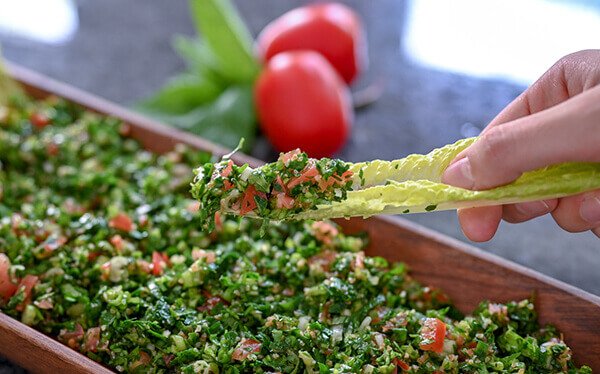
The classic knife cuts every cook should know are brunoise, small, medium and large dice, julienne, batonnet, allumette, chiffonade, paysanne, mince, rondelle and the oblique (roll) cut. Each has a standard size, and learning them makes your food cook evenly, look professional and taste better.
This guide gives you the names, the sizes, how to cut each one safely and how they match up with everyday Indian kitchen cuts.
Quick summary
- Uniform cuts cook at the same speed, so nothing is raw or mushy.
- Key sizes: brunoise about 3 mm, small dice about 6 mm, medium dice about 12 mm, large dice about 20 mm.
- Julienne and batonnet are sticks; chiffonade is ribbons of leaves; paysanne is thin flat pieces.
- Use a sharp knife, a stable board and the claw grip to stay safe.
Why uniform knife cuts matter
Cutting everything the same size is not about showing off. It has real cooking benefits:
- Even cooking. Pieces of the same size cook in the same time. Mixed sizes give you some burnt bits and some raw bits.
- Better texture and taste. Fine cuts melt into a sauce. Larger cuts keep their bite in a stew.
- Good presentation. Neat cuts make a plate look professional.
- Speed and less waste. Good technique is faster and leaves more usable food.
- Kitchen teamwork. In a professional kitchen, a chef will ask for “brunoise” or “medium dice” and expect everyone to cut the same.
Knife cuts and their standard sizes
Here are the classic cuts with their usual sizes. Different cookery schools and textbooks use slightly different numbers, so treat these as close guides rather than exact laws.
| Cut | Shape | Approximate size | Common uses |
|---|---|---|---|
| Fine brunoise | Tiny cube | About 1.5 mm cube | Garnishes, delicate sauces |
| Brunoise | Small cube | About 3 mm cube | Sauces, salsas, consommé garnish |
| Small dice | Cube | About 6 mm cube | Soups, stuffings, fried rice |
| Medium dice | Cube | About 12 mm cube | Stews, curries, roasted vegetables |
| Large dice | Cube | About 20 mm cube | Stocks, long braises |
| Julienne | Thin stick | About 3 x 3 x 50–60 mm | Stir-fries, salads, garnishes |
| Allumette | Matchstick | About 3 x 3 mm thick; in some systems the same as julienne | Matchstick fries, salads |
| Batonnet | Thick stick | About 6 x 6 x 50–60 mm | Crudités, chunky fries; also the start of small dice |
| Chiffonade | Thin ribbons | Leaves stacked, rolled and sliced thin | Basil, mint, spinach, lettuce |
| Paysanne | Thin flat piece | About 1 x 12 x 12 mm (square, round or triangle) | Soups, quick-cooking vegetables |
| Mince | Very fine, irregular | As small as you can cut | Garlic, ginger, herbs, chillies |
| Rondelle | Round disc | Thickness to suit the dish | Carrots, cucumber, bananas |
| Oblique (roll cut) | Angled chunk | Cut at an angle, roll a quarter turn, cut again | Carrots and radish for roasting or stir-fries |
How to make the main cuts
Square off first
For neat sticks and cubes, trim the round sides off a vegetable (like a carrot or potato) to make a flat-sided block. Keep the trimmings for stock or soup. A flat block is also safer because it will not roll.
Sticks: julienne and batonnet
Cut the block into slices of the thickness you want: about 3 mm for julienne, about 6 mm for batonnet. Stack a few slices and cut them into sticks of the same width. Trim the length to about 5 to 6 cm.
Cubes: brunoise and dice
Line up your sticks and cut across them at the same width. Julienne sticks become brunoise. Batonnet sticks become small dice. Thicker sticks give medium or large dice.
Chiffonade
Stack large leaves, roll them tightly like a cigar and slice across the roll thinly. Use a very sharp knife so you slice cleanly instead of crushing the leaves, which makes them go dark.
Paysanne, rondelle and oblique
For paysanne, cut a batonnet-style bar about 12 mm wide, then slice it into thin flat pieces about 1 mm thick. For rondelles, slice a round vegetable straight across. For the oblique cut, slice at an angle, roll the vegetable a quarter turn, and slice again at the same angle.
Knife safety basics
- Use a sharp knife. It sounds odd, but a sharp knife is safer. A blunt one needs more force and slips more easily.
- Use the claw grip. Curl the fingertips of your guiding hand under, like a claw, and rest your knuckles against the side of the blade. The knife follows your knuckles, and your fingertips stay out of the way.
- Keep the board stable. Put a damp cloth or a non-slip mat under your cutting board so it does not slide.
- Make a flat base. Cut a thin slice off round food (onion, potato) so it sits flat.
- Keep your area clean. Move cut food aside so your board stays clear. Wipe up spills.
- Never catch a falling knife. Step back and let it drop.
- Wash knives separately. Do not leave a knife hidden in a sink of soapy water.
Chef’s tip: Practise on cheap vegetables like carrots, potatoes and onions. Cut one carrot into julienne every day for a week, then cook what you cut. Speed comes naturally after accuracy.
Indian kitchen equivalents
Indian home cooks already use many of these knife cuts, just with different names. Here is a rough guide:
- Fine chop (barik kata) of onion, garlic, ginger and green chillies for a tadka or masala base is close to a brunoise or mince. Fine pieces cook quickly in hot oil and melt into the gravy.
- Long thin onion slices for biryani or birista (fried onions) are a type of julienne-style slice. Even thickness helps them fry golden instead of burning.
- Ginger juliennes used as a garnish on dal or curries are a true julienne.
- Potato cubes for aloo sabzi are usually small or medium dice.
- Finely shredded cabbage for poriyal or thoran is close to a chiffonade.
- Round slices of carrot, cucumber or banana for chips are rondelles.
Want to use these cuts in real dishes? Explore our Indian cuisines lessons, and for fish and prawns see All About Seafood.
Choosing your knife and board
You do not need a big set. A good chef’s knife (about 20 cm), a small paring knife and a serrated knife cover almost everything. Choose a wooden or plastic board that is large enough to work on. Hone your knife often with a honing steel and sharpen it when it stops cutting cleanly. A simple test: a sharp knife slices a ripe tomato without squashing it.
APCA Chef Online offers online Culinary, Pastry, Eggless Pastry, and Cake Design and Fondant programs, plus a Master Chef Series and short classes. You learn with video lessons at your own pace, so you can pause and copy a chef’s knife work step by step.
Common knife mistakes and quick fixes
- Uneven pieces: slow down and square off the vegetable first.
- Crushed herbs: your knife is blunt, so sharpen or hone it.
- Onion falling apart: keep the root end on while you cut, then trim it off last.
- Tired wrist: let the knife rock forward and do the work instead of pressing down hard.
Frequently asked questions
What are the basic knife cuts in cooking?
What size is a brunoise cut?
What is the difference between julienne and batonnet?
What is a chiffonade cut?
What is the claw grip?
Why should vegetables be cut to the same size?
Master knife skills with a chef
Learn core culinary techniques through video lessons you can pause, replay and practise at your own pace.
Explore the Culinary ProgramRead next
Get new baking guides in your inbox
Trending recipes, chef techniques and course offers — free, no spam.
Subscribe free